

Contaminants & Naturally Occurring Toxic Substances

Contaminants & Naturally Occurring Toxic Substances

Awesome Image

What is Contaminants in Food & Environment?

Contaminants are unwanted chemical or biological substances that enter food, water, or the environment through industrial activities, agricultural practices, or natural processes. These contaminants pose serious health risks, including carcinogenicity, neurotoxicity, and endocrine disruption.
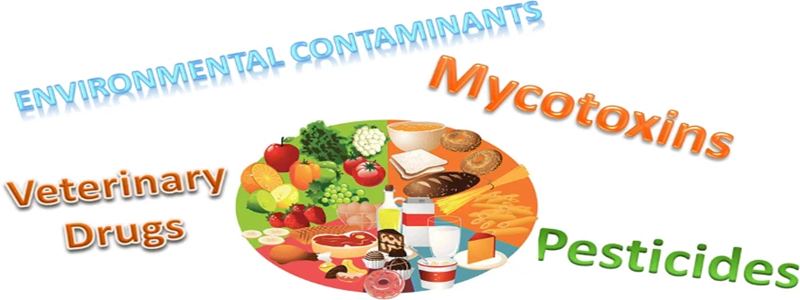

Types of Contaminants

  • Chemical Contaminants – Heavy metals (Lead, Mercury, Cadmium, Arsenic), pesticide residues, and industrial pollutants (Dioxins, PCBs, PAHs).
  • Biological Contaminants – Bacterial toxins (Salmonella, Listeria, E. coli), mycotoxins (Aflatoxins, Ochratoxins), and marine biotoxins (Paralytic Shellfish Poison).
  • Environmental Contaminants – Per- and polyfluoroalkyl substances (PFAS), persistent organic pollutants (POPs), and microplastics in food chains.
Pesticide Testing

Naturally Occurring Toxic Substances (NOTS)

  • Glycoalkaloids – Found in potatoes (Solanine, Chaconine) causing gastrointestinal and neurological disorders.
  • Cyanogenic Glycosides – Present in cassava, almonds, and stone fruits, releasing hydrogen cyanide (HCN), which is highly toxic.
  • Mycotoxins – Produced by fungi in grains, nuts, and dairy (Aflatoxins, Fumonisins, Zearalenone), leading to liver damage and immunotoxicity.
  • Marine Biotoxins – Toxins from seafood (Saxitoxins, Tetrodotoxin) causing paralysis, neurotoxicity, and fatal poisoning.
  • Endotoxins & Biogenic Amines – Found in fermented foods (Histamine, Tyramine) leading to foodborne illnesses and allergic reactions.
Lab Testing

Biorks Importance of Testing & Risk Assessment

  • Food Safety & Consumer Protection – Prevents acute and chronic toxicity by monitoring contaminants and toxic substances in food.
  • Regulatory Compliance – Ensures adherence to FSSAI, EFSA, FDA, WHO, and Codex Alimentarius standards.
  • Risk-Based Analysis – Uses mass spectrometry (LC-MS, GC-MS), chromatography (HPLC), and immunoassays to detect contaminants at trace levels.
  • Toxicity Profiling & Bioavailability Studies – Determines absorption, metabolism, and toxicity thresholds for risk assessment.

If You Need Any Contaminants & Naturally Occurring Toxic Testing Solutions... We Are Available For You

Contact Us